Benjamin J. Young
Hello! Welcome to my website.
I am an Assistant Professor of History at Northern State University and a historian of the modern United States. I research, write, and teach at the intersections of religion, political economy, and urban history, with a focus on the American South.
In broadest terms, I am interested in the spatial, fiscal, and social infrastructures of twentieth-century American religious life, and what their histories illuminate about the rise of the modern American state, the evolution of American political culture, and the development of American cities and suburbs.
At the moment, much of my research and writing centers on how one of the New Deal’s farthest-reaching legacies – the rise of the suburbs – transformed the landscape of American religion and politics in the post-World War II era. I am currently at work on my first book, entitled Suburban Awakening: The Rise of the Metropolitan South and the Making of Modern American Evangelicalism, which you can read more about below.
My work has previously appeared in venues like Modern American History, Cold War History, The Washington Post, and The Metropole. I also edited the late John W. Stamper’s City and Campus: An Architectural History of South Bend, Notre Dame, and Saint Mary’s (University of Notre Dame Press, 2024) for posthumous publication.
Before joining the Northern State faculty, I was the C. Austin Buck Family National Fellow at the Jefferson Scholars Foundation at the University of Virginia. I received my Ph.D. and M.A. in History from the University of Notre Dame, and a B.A. in History and Religion from Baylor University.
For research collaborations, peer review, speaking invitations, or other inquiries, I can be reached at: benjamin.young@northern.edu. Although I publish under my given name, Benjamin, I’m a “middle-namer”with friends, family, and colleagues – so feel free to just call me Jack.

Suburban Awakening:
The Rise of the Metropolitan South and the Making of Modern American Evangelicalism
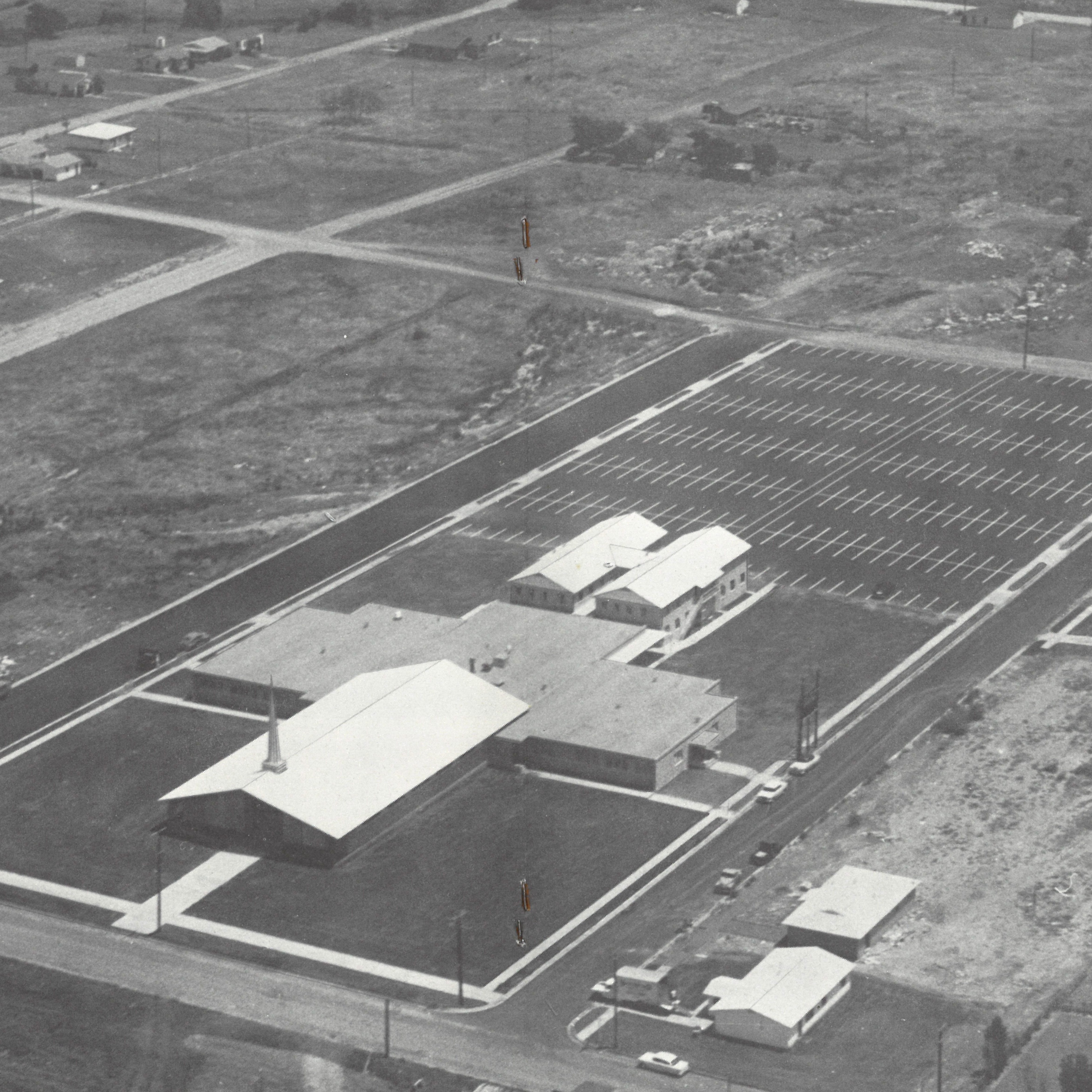
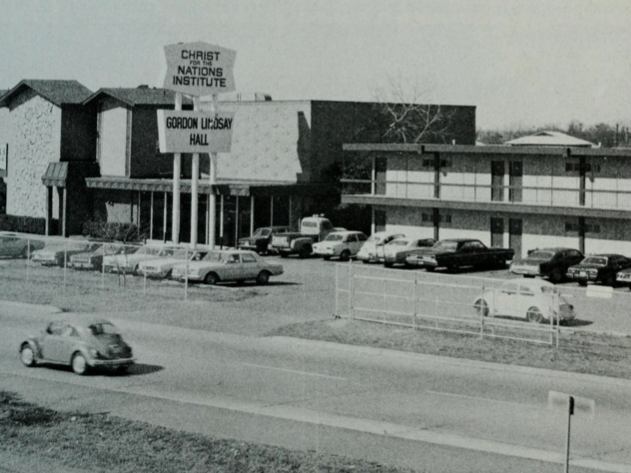
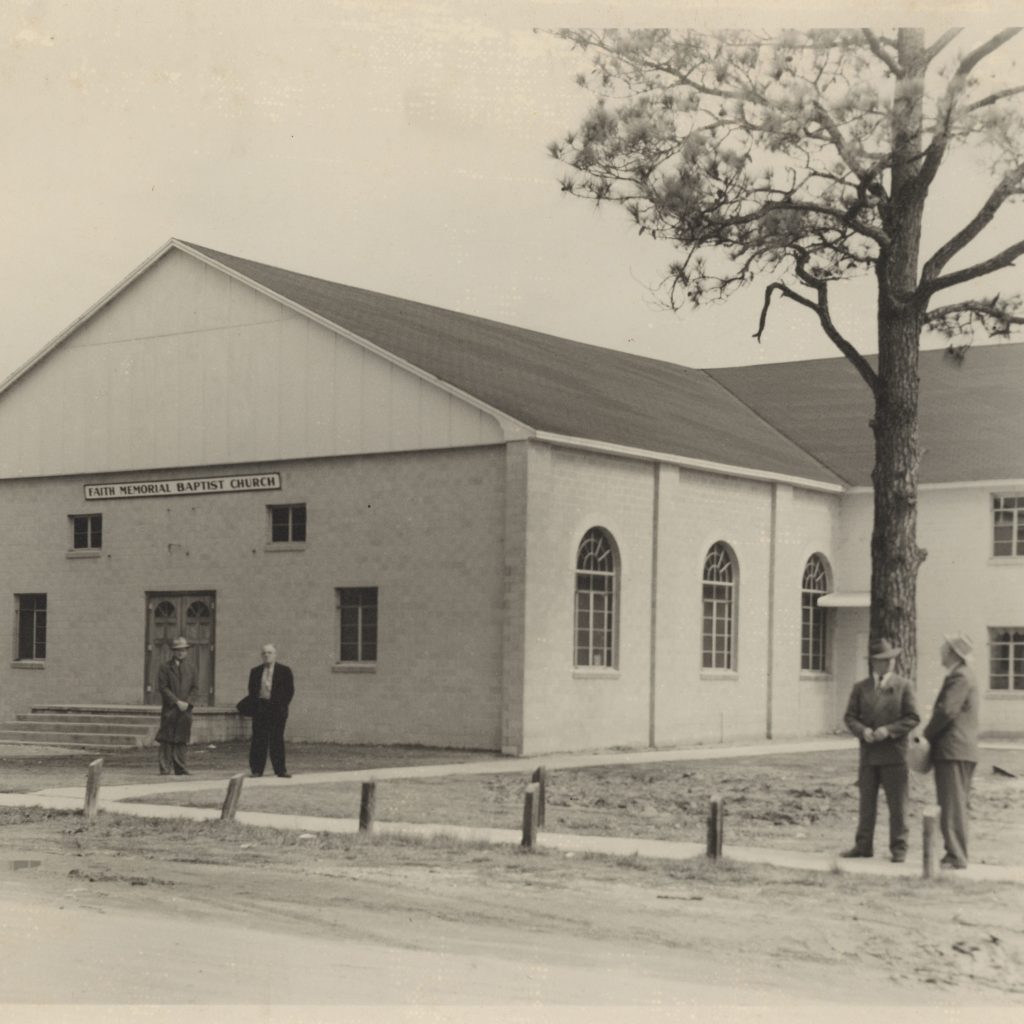
My book-in-progress, Suburban Awakening, places the suburbanization of the American South at the center of white evangelicals’ coalescence into a religious movement and their rise to political, economic, and cultural power in America between the New Deal and the 1990s.
Amid the shopping malls, office parks, and residential sprawl that marked the American South’s largest cities in the 1990s, it was hard to miss the towering steeples of Southern Baptist and Pentecostal megachurches. At the close of the twentieth century, Southern Baptists and Pentecostals were at the heights of influence in American life, boasting the nation’s largest churches in the nation, its highest-paid ministers and televangelists, and many of the Christian Right’s leading donors. Yet half a century before, one could scarcely imagine the power and prominence they would amass. In the 1930s, Southern Baptists and southern Pentecostals were primarily rural, poor, and scattered across the region’s agrarian hinterlands. How did they ascend from the South’s rural underclass to together become the vanguard of American evangelicalism and hold such sway in the balance of power in late twentieth-century America?
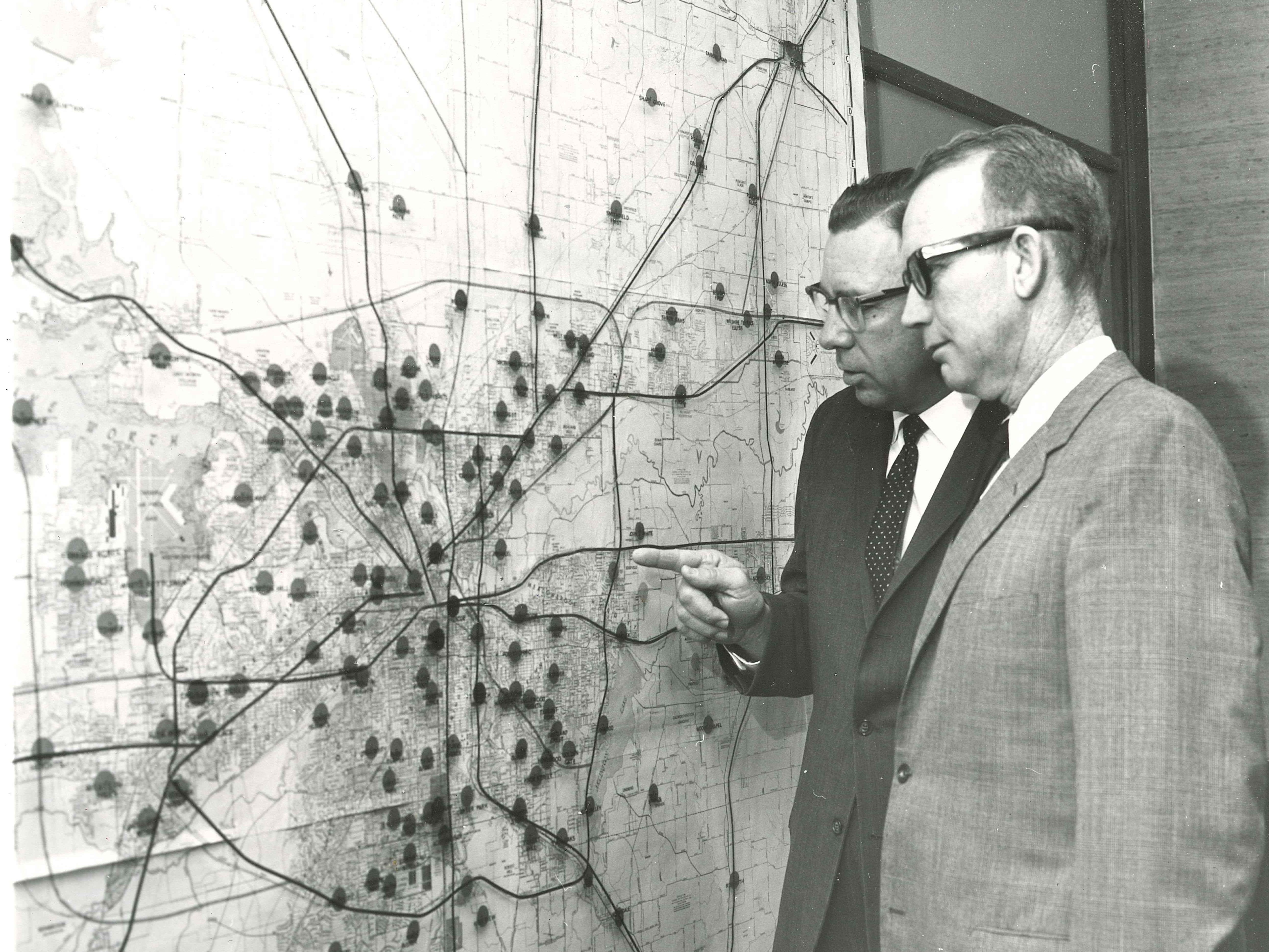
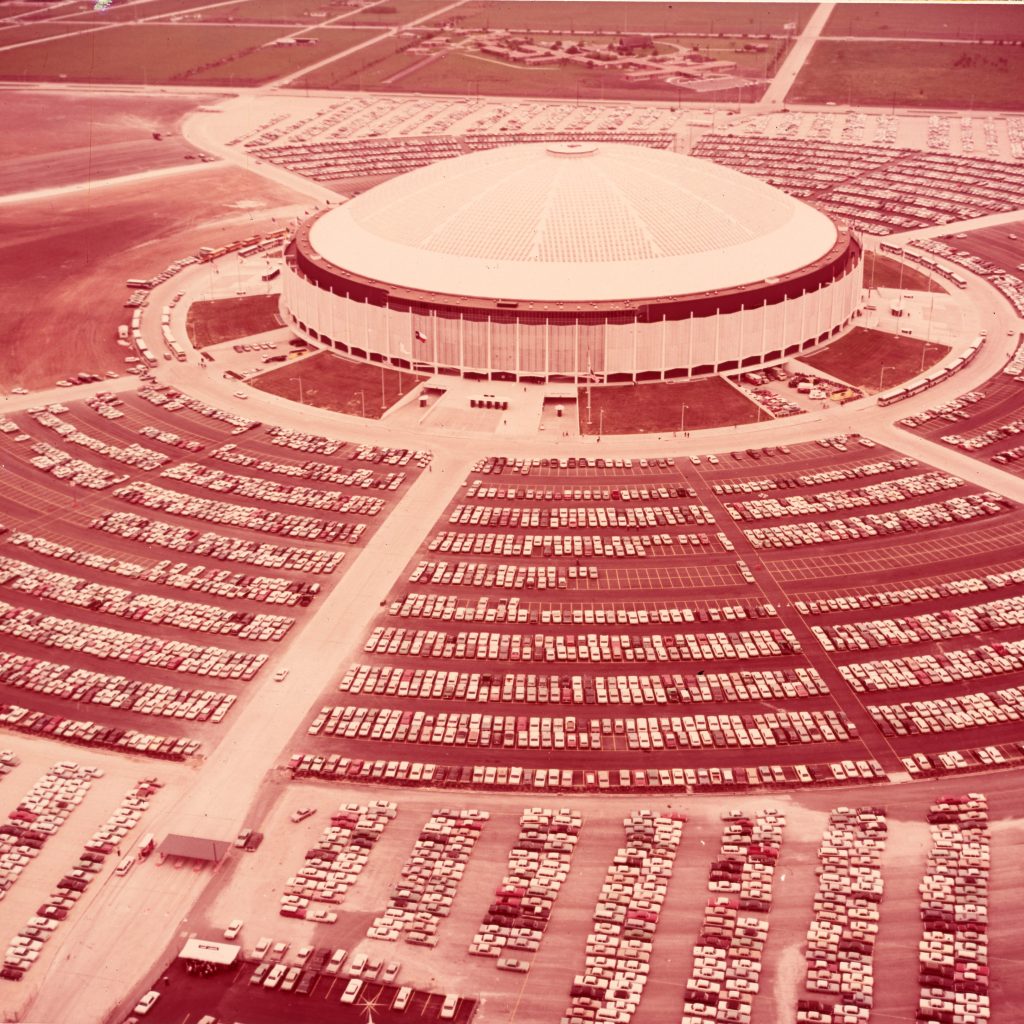
With Atlanta, Houston, and the Dallas-Fort Worth Metroplex as vantage points and Southern Baptists and southern Pentecostals as its focus, Suburban Awakening traces the origins of suburban white evangelicalism in the South to the New Deal state’s efforts to “modernize” the region in the 1930s, 1940s, and 1950s through agricultural reforms, wartime industrial investment, and the expansion of mortgage insurance programs for new homeowners. Together, these federal initiatives drove a midcentury migration of millions of rural Southern Baptists and Pentecostals into the region’s emerging suburban middle class.
I trace how as these rural transplants built their religious lives into the landscape and political economy of the metropolitan South, their fast-growing suburban surroundings shaped their development of a prosperity theology sacralizing their upward mobility, an apocalypticism drawing on racialized anxieties of the inner-city, and a “family values” ethos tied to the symbolic structure of the single-family home . These suburbanized spiritual intuitions broke down sectarian theological barriers that had long divided Southern Baptists and Pentecostals from each other and alienated them from the “evangelical” label.
By the early 1970s, GOP operatives were drawing upon these intuitions – as well as tapping into the vast constellation of megachurches, TV networks, and private school systems that Southern Baptists and Pentecostals had built into southern suburbia over the prior three decades – to pull this newly coalescent southern evangelicalism rightward. By cultivating a cadre of Southern Baptist and Pentecostal ministers and televangelists across the metropolitan South as intermediaries, Ronald Reagan’s 1980 presidential campaign pioneered a playbook of evangelical outreach repeated by subsequent campaigns, from Pat Robertson’s 1988 presidential run, to George W. Bush’s 2000 campaign, and beyond.
Suburban Awakening thus illuminates a pivotal yet unrecognized paradox of twentieth-century American politics: the midcentury birth of the South’s suburban white middle class was both a major achievement of the New Deal state and foundational to the eventual rise of the Christian Right. Long before Jim Crow fell, and long before they began to conceive of themselves as “conservatives,” the rural born-again southerners who migrated into southern suburbia leveraged the New Deal’s social contract of mass homeownership to begin accumulating the economic, cultural, and political capital that would underwrite much of American evangelicalism in the decades to come. Ultimately, Suburban Awakening makes the case for thinking connectively, rather than contrastively, about New Deal liberalism and Sunbelt conservatism by analyzing where the two came together: the lived experience of suburbanization in postwar America.
Designed with WordPress

